
How to Hand Off a Job So It Doesn’t Come Back

A handoff sticks when four things are set before anyone touches the work, and you tell your team out loud that it’s theirs now.
How to Hand Off a Job So It Doesn’t Come Back Read More »
A handoff sticks when four things are set before anyone touches the work, and you tell your team out loud that it’s theirs now.
How to Hand Off a Job So It Doesn’t Come Back Read More »

A task is off your plate when someone else has done it twice, unprompted, to your standard. Until then, it’s still your load.
The Job You Handed Off Is Probably Still Yours Read More »

Your first handoff is a test of whether delegation works in your business. Pick the one built to pass, and the order of everything after it follows.
Don’t Delegate Your Biggest Job First Read More »

Most of what’s on your plate is real work. It just doesn’t all need to be yours. Two questions sort what stops, what moves, and what only you should keep.
Before You Delegate Anything, Ask What Breaks in 30 Days Read More »

In June of 2025, I sat a landscaping owner down in front of a Google Sheet. The instructions were simple. List every task you do. Estimate the hours. Have it back to me by Monday. What came back was thin. A dozen lines, mostly the obvious ones — the things that have names and live
You Can’t Make a List of What You Actually Do All Day Read More »
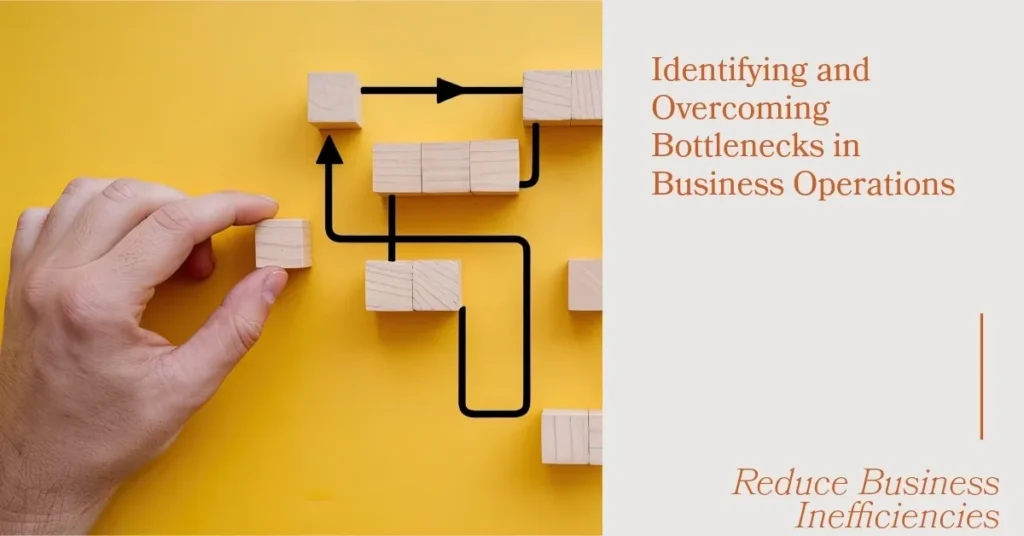
A Theory of Constraints (TOC) Perspective. Have you ever felt like your business keeps hitting invisible roadblocks—tasks get delayed, projects stall unexpectedly, and inefficiencies create unnecessary stress and lost revenue? These aren’t just random issues; they’re symptoms of underlying constraints in your operational flow. According to the Theory of Constraints (TOC), your business’s growth and productivity
Identifying Delays, Interruptions, and Inefficiencies in Your Biz Read More »
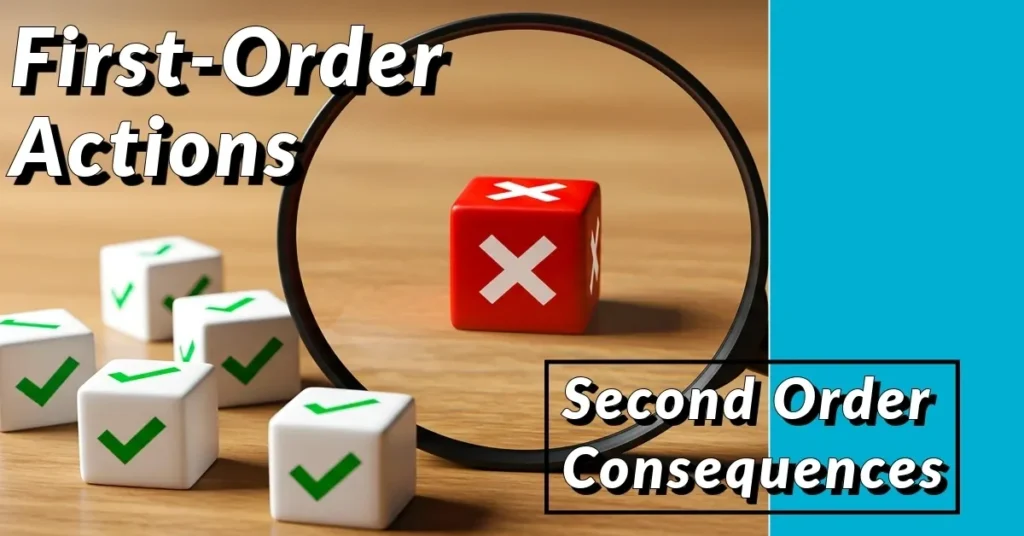
How Your Quick Fixes Create Unexpected Bottlenecks Ray Dalio, celebrated investor and author of Principles, teaches an important lesson about decision-making: to build lasting success, you must differentiate clearly between first-order actions—the immediate steps you take to address urgent problems—and second-order consequences, the longer-term impacts that often aren’t obvious at first glance. Entrepreneurs and small business owners frequently
First-Order Actions vs. Second-Order Consequences… Read More »

When you’re really good at something—whether it’s customer service, product development, or managing operations—it can feel like you’re ahead of the game 🏆. People admire your skill, your attention to detail, and your ability to get things done quickly and efficiently 💪. But here’s the catch: being really good at something can sometimes have a hidden
The Hidden Cost Of Being Good At What You Do! Read More »